Essential Pre-Trip Checks, for Public Land Access and Hunting Plans in September 2026
Before you start your trip make sure that your trip matches what you want to do. Things like gates, private land, seasonal rules or new laws can make a trip that looked good into an experience. Taking time to check the roads the permission you need and the rules for the season can keep you from entering places you shouldn't. Also save your time and help protect the land something that's very important in September.
Understanding the Access Route
Not every place that says it is land is open to everyone. You need to do research: find the ways to get to the land. This might be roads, places to park trailheads or spots where you can get into the water.
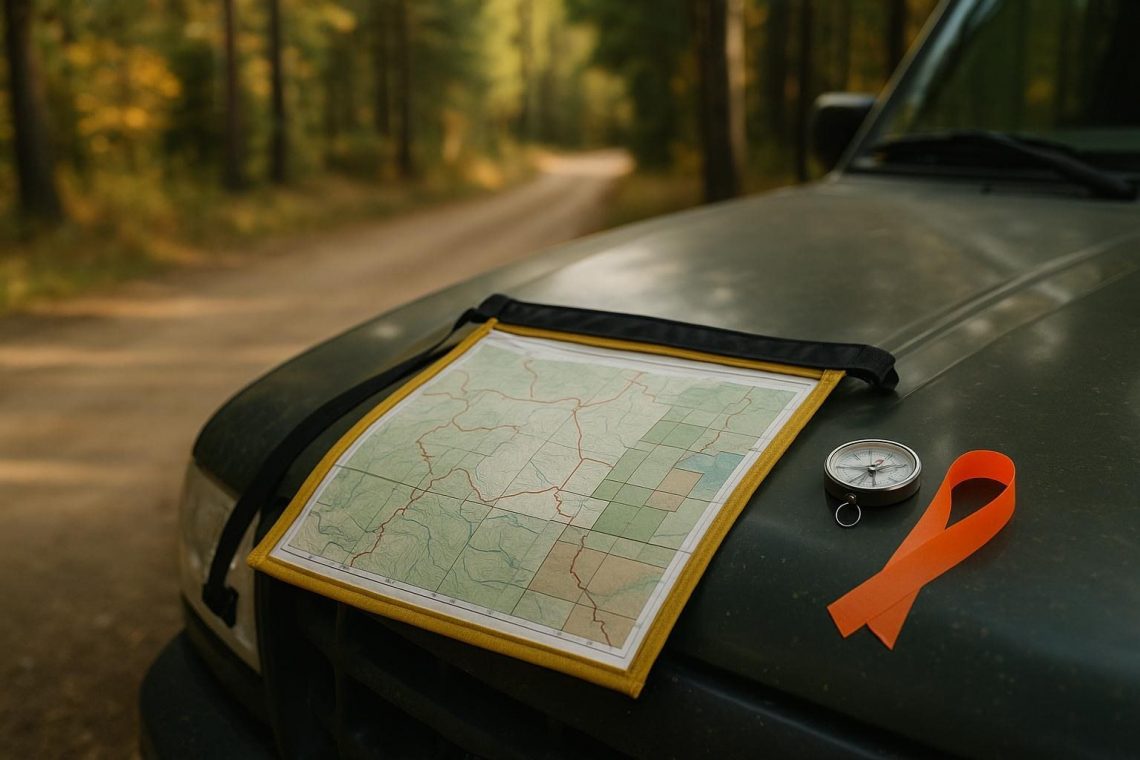
Don't just think a road is open just because it looks that way on a map. Only a recent map can tell you if the road is open. Some roads might be closed during times. There might be trails that allow walking but not driving. Also places to park might have rules like time limits or needing a permit. In some cases public land is surrounded by land making it hard to get there without stepping on property.
If a path goes through land that is a problem that needs permission. Don't rely on agreements or old paths; your plan should still work even if a shortcut is no longer there.
Digging Deeper into Regulations
As you look into it talk to the people in charge of the land for the details on closing, access warnings and rules for using the land. To stay within the rules you also need to talk to the people who manage wildlife or natural resources for the dates of the hunting season the rules you need to follow the papers you must have what weapons are allowed how to tag animals and what you must report. Remember, a road that is open doesn't always mean hunting is allowed there when you come.
Make sure you check the area and the land you are going to not the general place or county. Boundaries can be tricky often following roads or rivers which might not be easy to see. If your map doesn't match the rules ask the people in charge for help. Rules can change so it's important to know, especially to avoid maps or summaries that don't have the info.
Write down the rules. Save them on your phone along with the date you checked. This won't replace checking in time. It helps if you lose your phone signal.
Aligning Your Hunt with Access Method
How you get to the place has an effect on the things you bring how you move and the impact on the land. For example places you can only walk to might mean you need to carry less while driving helps you carry more but might have rules about where you can park. These differences affect how others see you and how safe you are.
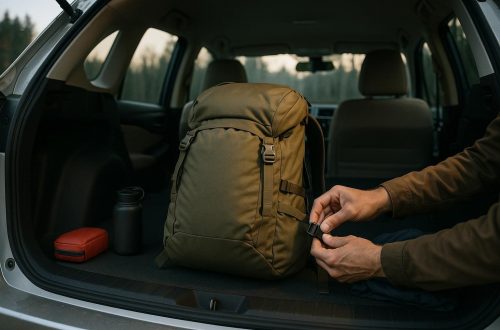
Plan for delays. If your way includes a walk, steep hills or streams don't rush to the spot. Bring water clothes for the weather tools to find your way, first aid and enough to carry anything you catch. A lighter pack sounds good. It shouldn't make you less safe.
If you plan to use a boat, a bike or a horse make sure you know where those are allowed. If there are rules that're different from walking. If you don't check you might break the rules without knowing.
Pre-Departure Checklist for Access
Before you start driving write down what you found:
– Entry: What is the correct way in and is there another way?
– Ownership: Is your way entirely on land. Do you need permission?
– Status: Are all roads, trails and parking areas open for your trip and your date?
– Regulations: Did you check the rules about seasons, times, papers, equipment and what you must report?
– Conditions: Are there weather problems, fire rules, floods, building or temporary stops that could change your plan?
– Exit Strategy: Will you be able to leave without breaking rules like blocking gates or making problems for others?
If any of these answers are not clear it's better to choose a plan of trying to figure it out when you get there. Your backup plan should always be a place that's not a random part of your original plan.
Prioritize Environmental Responsibility
Finally when you go to lands leave them better than you found them. Don't go around barriers drive on ground or make paths that can hurt nature or make it hard for others to go later. Respect the land stay away, from animals and buildings. Give others the space they need.
If you see locked gates, unclear signs or many people write it down to check again or tell the people in charge. Good planning also means knowing when to stop or go to your plan and keeping the land safe for everyone.