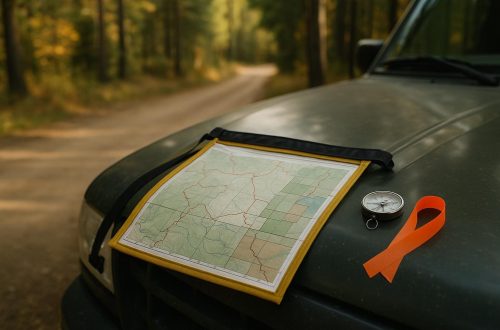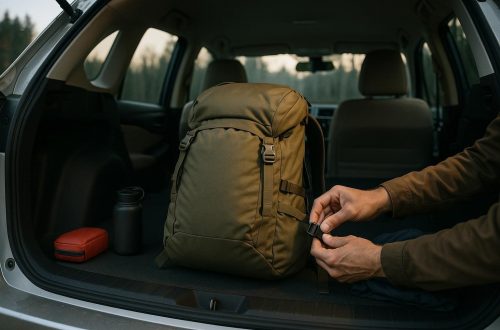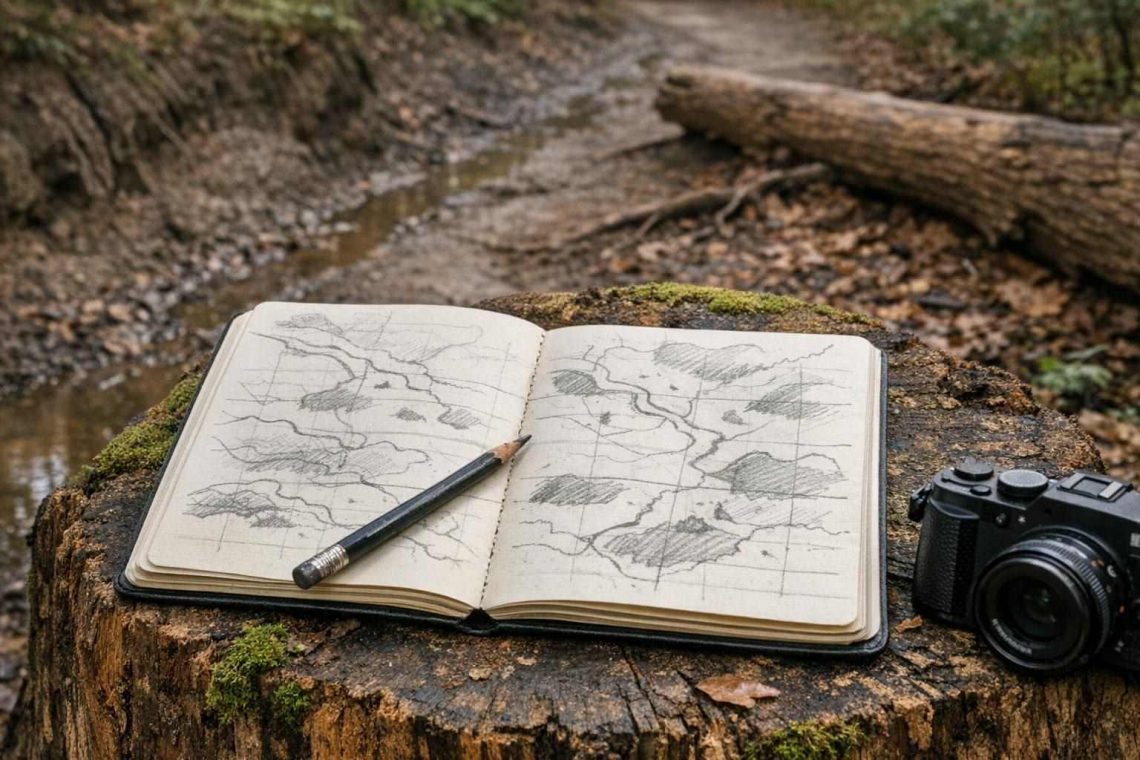
Repeat observation of familiar routes can reveal subtle changes not obvious on a single visit. A track of mud may move from one bend in a route to another, a hidden drainage line can deepen, and changes in vegetation can reveal animal or human use. Records of observations, however brief, are given value over time. They need not be produced in elaborate equipment or written in sophisticated language. A simple record, supported by the occasional photograph, is best produced by someone who is able to return to the same spot repeatedly and does so in safe and respectful habitat.
Pick a route you can revisit consistently
This trail could be as short as a few hundred yards of a Forest Road or a change in a woodland featuring several distinguishable features which can be easily re-visited and re-documented within a short space of time. Mark the start of the trail in your journal with as plain a description of the feature as possible e.g. a footbridge, a trail junction, a large fallen tree etc. A straight line on a digital pin is not enough to be able to re-visit later and understand what you were trying to record.
Consistency is more important than frequency. Record your findings every now and again, remembering the date, approximate time of day, recent weather and general ground conditions. You don't need to return to the same spot at the same time every week or month. A note saying 'after several wet days' is far more valuable than an inaccurate assumption based on incomplete information.
I try to keep the Route Record separate from my speculations as to why things have changed. For example: "Recently exposed roots on the downhill side of the path" rather than "Heavy traffic has caused more erosion here".
Build field notes that answer useful questions
Most importantly, try to use the woodland trail journal to compare places and situations over time. Use the following questions again and again.
– What changes (in trail surface, drainage, vegetation, canopy etc.) have occurred?
– Are there any animal tracks, droppings, or signs of browse? Any feathers, for example?
– Is there any sign of human use of the path, such as new sections, litter, wear or other path development?
– What do you not know about this section of path and what would you need to go and find out?
Be sure to include the location of where you made your observations in relation to a landmark. Indicate the direction of the features that you have described. For example, a large washout on the outside of a curve of the trail or new growth on the shaded side of a ditch.
Do not generalize. "The stream is higher" is less useful than "Water now reaches the bottom of the bank and covers the stones which are normally visible". Most animal signs are misleading – a track could be made by soil, by rain, by domestic dogs or by human feet traveling repeatedly along the same line. So always be specific about what you have seen.
You can use a small notebook with a hard cover, such as a logbook or notebook, which will withstand the damp and be easy to carry. Use a pencil or take a writing tool that will not be affected by the weather. When you return home, make sure that you have a copy of the most important observations in another document. Remember that recording your observations should not be so time consuming that you forget important aspects of your journey such as the state of your feet, other people using the path and how the weather is changing.
Photograph the same features, not just attractive views
Outdoor photography of your walks can be very powerful when used for comparison. Take photographs of the same subject each time you walk (e.g. the same trail junction, section of bank, distinctive tree, wet area etc.). Include a wide view of the scene and then a closer up view to show detail and texture. Try to take the photographs from the same place and at the same angle.
A reference object to show scale can be included in the photo but should not be put in the sensitive habitat. So a walking pole, notebook or even your boot can be used as a reference object but must be removed from the location immediately. Leaves, rocks, branches etc. must not be moved to make a better photo.
Light can affect how a photograph of a trail looks. For example, a rut could look deeper in low light than it actually is. In bright conditions with a lot of foliage, bare soil and small channels could be hidden. Include a short caption in the photograph's file description stating the weather and the viewpoint from which the photograph was taken. Use a file name that includes the route marker and the date the photograph was taken.
Remember to take wildlife photographs responsibly. Avoid situations where you might disturb the animals and don't block their escape routes. Do not follow animal tracks into dense undergrowth and don't use food or imitate animal calls to get better photographs. A responsible record of wild animals is more valuable than good photographs of them.
Read seasonal trail changes without overclaiming
Features change in trails, such as in the surface, the drainage, the vegetation and the canopy. The same feature can have different meanings in different times of the year, such as for example, in spring when leafs fall to the ground, uneven ground in the trail is covered by litter and in autumn the same ground can be exposed again. In dry periods the trail might look stable but vulnerable plants in the edges could be easily damaged by repeated steps.
One damaged plant could be a result of normal weather, while a wide bare strip running down a slope could indicate repeated travel on the trail. Observation of trail erosion over several visits can distinguish between short-term problems and long-term changes in the trail. Comparison of the trail with undisturbed ground elsewhere in the habitat is best done from the outside of the trail piles and must avoid entering the habitat and causing further disturbance.
When you have finished inspecting the habitat, make sure your actions do not harm it. Stay on the paths and follow any rubbish disposal facilities provided. Don't create a new path around a muddy patch of ground – report erosion, blocked drains, fallen trees etc. to the appropriate manager for the property you are on. Rules and access restrictions change frequently, so make sure you check the latest information from the appropriate official sources before your visit.
Be careful not to convert casual observation of wild habitats into unnecessary disturbance by reconnaissance for hunting. Remember to be prudent and resist temptation to describe the locations of vulnerable species such as plants and animals with sensitive breeding habits including nests. Avoid detailed description of habitats that contain high concentrations of animals.
Keep the walk safe while you document it
When walking for the purposes of documentation, it is still very possible to get into hazard. Ensure someone knows your intentions prior to setting off, keep a charged unit with you at all times, and dress accordingly to the weather as well as bring sufficient water. Reliable footwear with good grip is far more valuable than bringing special equipment.
Caution: It's always possible to improve your walk. Move to the side of the path before taking notes or photographs and watch your step as you examine the soles of your shoes. Be especially wary of slopes, roots, loose stones, and branches. In areas where there is hunting, be sure to adhere to posted signs and wear necessary seasonal clothing to make yourself visible. For latest access information, etc. check with relevant official body before your visit.
End the entry with a few lines of a 'return note'. Repeat visits to a route will reveal changes that you had not anticipated. The route could have deteriorated severely and be no longer safe to travel. Other routes may need to be found.